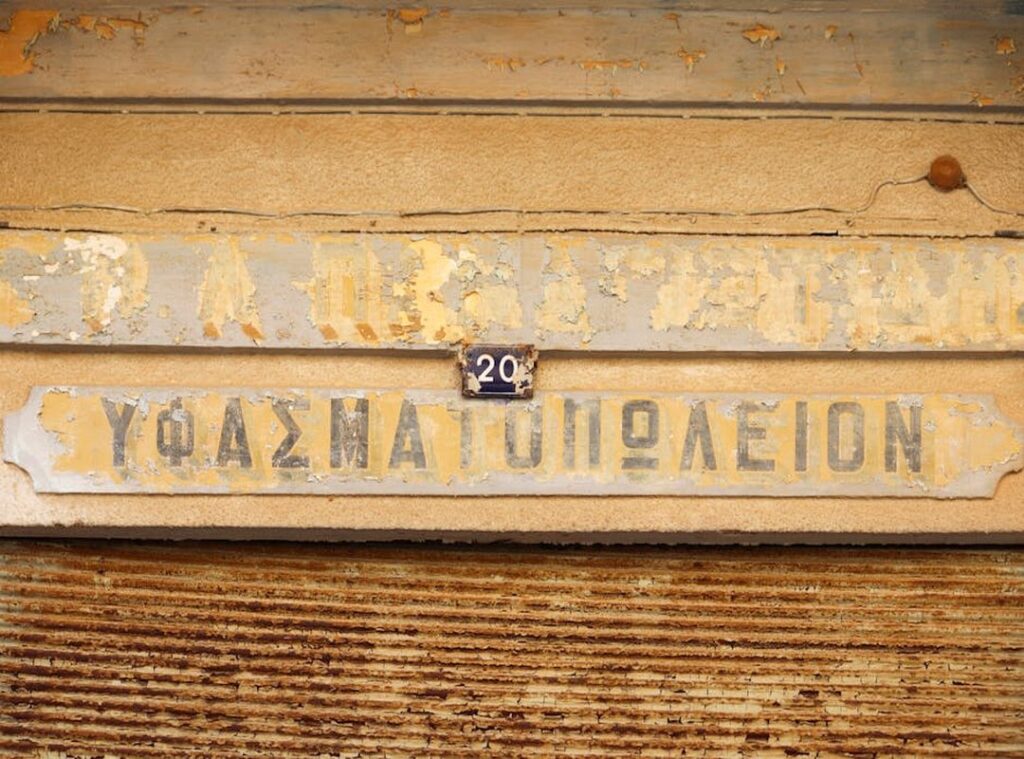
Numbers, and they’re everywhere, right? You see them on clocks, in books, even in your dreams.
But have you ever stopped to think about what they really mean?
Take xxv, for example. It’s not just a number; it’s a symbol with a story. And xxviii?
That one’s got layers too.
Then there’s 20, 21, and 22. Each one has its own unique significance.
This article is here to help you understand the deeper connections and meanings behind these numbers. We’ll dive into their historical, cultural, and symbolic importance.
So, are you ready to uncover the mysteries? Let’s get started.
The Number Twenty-Five (25)
Let’s talk about the number 25. It’s one of those numbers that pops up in history, culture, and even in our daily lives.
- Historical Significance:
- In 1848, the California Gold Rush began, changing the course of American history.
- The United Nations was founded in 1945, bringing nations together for peace and cooperation.
You might be thinking, “Why should I care about these dates?” Well, they mark turning points that shaped the world we live in today.
Cultural References:
– In many cultures, 25 is a coming-of-age milestone. Think of it as the age when you’re finally considered an adult.
– Weddings, anniversaries, and other celebrations often use 25 as a significant marker. Silver wedding anniversaries, anyone?
Sometimes, it feels like these milestones are just another way to make us feel old. But hey, at least they give us something to look forward to, right?
Symbolic Meaning:
– Numerologically, 25 is often seen as a combination of 2 and 5. The number 2 represents balance and harmony, while 5 symbolizes change and freedom.
– In some spiritual traditions, 25 is associated with personal growth and transformation. It’s like a reminder that change is a part of life.
I get it; sometimes, all this symbolic stuff can feel a bit overblown. But if it helps you find meaning in your life, why not?
So, whether you’re celebrating your 25th birthday or just noticing the number xxv in your daily life, remember that it carries a lot of weight. From historical events to cultural milestones, 25 has a story to tell.
The Number Twenty-Eight (28)
Mathematical Properties: The number 28 is a perfect number. That means the sum of its divisors (1, 2, 4, 7, 14) equals 28. It’s pretty rare.
Only a handful of perfect numbers exist.
Astronomically, 28 is significant. It’s the average length of a lunar cycle. This makes it a key number in many calendars, like the Gregorian and Chinese lunar calendars.
Culturally, 28 has its own charm. In some traditions, it symbolizes balance and harmony. You might see it in literature and art, often representing a complete cycle or a full circle.
In literature, 28 can be a subtle nod to these cycles. For example, a story might span 28 days, showing a character’s journey through a full month.
Artists sometimes use 28 in their work too. It could be 28 strokes in a painting or 28 notes in a musical piece. Each one adding up to something meaningful.
Pro tip: Next time you see 28, think about its deeper meanings. It might just add a new layer to your understanding.
xxv xxviii 20 21 22
The number 28 is more than just a number. It’s a symbol, a cycle, and a perfect blend of math and culture.
The Number Twenty (20)
The number 20 has a rich historical context. In ancient numbering systems, it was often used as a base. For example, the Mayans used a vigesimal system, which is based on 20.
This made their Long Count calendar unique and incredibly precise.
Culturally, 20 holds significant meaning in various societies. It’s not just a random number; it represents cycles and completeness. In some cultures, reaching the age of 20 marks the transition to adulthood.
Symbolically, 20 is associated with personal and collective growth. It can represent a new beginning or a fresh start. Some people see it as a sign to reflect on past experiences and prepare for the next chapter.
In numerology, 20 is often reduced to 2 (2 + 0 = 2). The number 2 symbolizes balance and harmony. So, 20 can be seen as a time to find equilibrium in your life.
Pro tip: When you see the number 20 repeatedly, it might be a nudge to reassess your current path and make necessary adjustments.
Numbers like xxv, xxviii, 20, 21, and 22 each have their own unique significance. Understanding these can add depth to your perspective on numbers and their roles in different contexts.
By the way, if you’re into gaming, understanding patterns and numbers can be really helpful. Coaches often use numerical data to analyze gameplay and improve strategies. If you want to dive deeper, check out how experts break down game mechanics for top-level players.
The Number Twenty-One (21)
Let’s talk about the number 21. It’s a big deal in a lot of ways, and I’m sure you’ve felt the frustration of waiting to hit this age.
In many countries, 21 is the age of majority. You can finally do things like buy alcohol or rent a car without jumping through hoops. But it’s not just about legal stuff.
Culturally, 21 has a lot going for it too. Think about card games. In Blackjack, getting 21 is the ultimate goal.
It’s the perfect score. And in other forms of entertainment, 21 often symbolizes new beginnings and opportunities.
Speaking of new beginnings, numerology has a thing or two to say about 21. It’s seen as a number that brings fresh starts and chances. So, if you’re 21, or even if you’re xxv, xxviii, 20, 21, or 22, it’s a good time to embrace what’s coming your way.
But let’s be real. Sometimes, all these symbolic meanings can feel a bit overblown. You might be thinking, “Sure, 21 is great, but does it really change everything?”
It’s a fair point, and the number 21 is just a number. What matters is how you use it.
Whether you’re starting a new chapter or just trying to make the most of where you are, remember, it’s all about the choices you make.
The Number Twenty-Two (22)
In numerology, 22 is considered a master number. It’s all about turning big ideas into something real and tangible. People who resonate with this number are often seen as visionaries and builders.
22 is significant in spiritual and personal development because it represents the balance between the material and the spiritual. It’s like having your feet on the ground while reaching for the stars.
Culturally and historically, 22 has made its mark. In some religious texts, it symbolizes the creation of the world. For example, in the Bible, there are 22 chapters in the Book of Revelation, which is full of symbolic imagery and prophecy.
In mythology, 22 can be found in various forms. The Tarot, for instance, has 22 Major Arcana cards, each representing a different life lesson or archetype.
22 also has a practical side. In architecture and design, it can be used to create balanced and harmonious structures. Think of the symmetry in buildings or the way a room is laid out.
Symbolically, 22 is about building and creating. It’s not just about dreaming; it’s about making those dreams a reality. Whether you’re designing a new home or planning a project, 22 reminds you to stay grounded while aiming high.
So, next time you see 22, remember it’s more than just a number. It’s a call to action, a reminder to build and create something meaningful.
The Deeper Meanings of Twenty-Five, Twenty-Eight, Twenty, Twenty-One, and Twenty-Two
The number 25 has been celebrated in various cultures as a symbol of change and transformation. It often marks significant anniversaries and milestones. 28 is associated with the lunar cycle, representing renewal and the passage of time. In many traditions, it signifies the completion of a cycle. 20 is a base number in many ancient counting systems, embodying completeness and wholeness.
It is also linked to the human body, with 20 fingers and toes. 21 is seen as a coming-of-age number, marking the transition into adulthood in many societies. It embodies new beginnings and personal growth. 22 is considered a master number in numerology, symbolizing the master builder. It represents the practical application of wisdom and knowledge.
These numbers, xxv xxviii 20 21 22, carry rich historical, cultural, and symbolic significance. Recognizing these deeper meanings can add a layer of understanding and appreciation to how we perceive them in our daily lives.
Now that you are aware of these connections, take a moment to reflect on how they might resonate with your own experiences and beliefs.