
If you’re searching for a competitive edge in today’s gaming landscape, you’re not alone. From ranked ladder climbs to high-stakes tournaments, players everywhere are looking for smarter strategies, deeper mechanical understanding, and the mental resilience required to perform under pressure. This article is built to meet that need directly—breaking down current meta shifts, advanced player tactics, and the subtle game mechanics that separate casual competitors from consistent winners.
We’ve analyzed professional match footage, studied patch data, and reviewed insights from top-tier competitors to ensure the guidance here reflects how the game is actually being played at the highest levels. You’ll also discover practical esports mental training techniques that help sharpen focus, improve decision-making speed, and maintain composure in clutch moments.
Whether you’re optimizing builds, refining rotations, or strengthening your mindset, this guide delivers actionable insights designed to help you compete smarter and perform better right now.
Everyone obsesses over APM, aim, and reaction time as the ultimate scorecard of skill. But here’s the uncomfortable truth: mechanics plateau. The real gap between good and elite players is mental. Tilting after one bad fight, choking on match point, or losing focus in long scrims costs more games than a missed shot.
That’s a contrarian take in a highlight-driven culture, but it’s reality.
To win consistently, you need:
- Emotional regulation under pressure
- Structured focus routines
- Post-match reflection systems
This guide delivers proven esports mental training techniques to convert practice into stage-ready performance. Under pressure, clarity wins.
Building Your Mental Armor: The Core of Competitive Resilience
Losses sting. However, how you interpret them determines whether you plateau or level up. Psychologist Carol Dweck’s research shows players with a growth mindset—the belief that skill is developed, not fixed—consistently outperform those who see ability as static (Dweck, 2006). In gaming terms, a lost duel isn’t proof you’re “bad”; it’s data about positioning, timing, or crosshair placement (yes, even that whiffed flick). Elite competitors review mistakes the way analysts review game tape—objectively.
Define Your Why
At the same time, motivation matters. Studies in sports psychology link intrinsic motivation—drive rooted in mastery or personal progress—to higher persistence and lower burnout (Deci & Ryan, 2000). If your only goal is winning, slumps feel catastrophic. Instead, anchor to:
- Mastery of mechanics
- Clear, consistent communication
- Hitting personal best stats
- Stronger teamwork and synergy
Finally, understand the Circle of Control—a concept widely used in esports mental training techniques. You control decisions, effort, and comms. You don’t control lag, RNG, or a teammate’s risky push. Research in performance psychology shows that focusing on controllables reduces tilt and improves consistency (Weinberg & Gould, 2019).
In other words, resilience isn’t hype. It’s trained focus, backed by evidence.
Achieving Flow State: Techniques for Unbreakable In-Game Focus
You know the feeling. Your palms are slick on the controller, the crowd noise (or Discord chatter) hums in your headset, and one mistake spirals into two. Flow state—the mental zone where action feels automatic and time blurs—is fragile. But it’s trainable.
The Mental Reset Cue
First, build a reset word. A short, sharp cue like “Next” or “Clear.” Pair it with a physical trigger—deep breath in, clench fist, release. This interrupts the brain’s negative feedback loop (a cognitive spiral where one error snowballs into tilted play). Some argue mistakes should linger so you “learn the lesson.” Fair—but mid-match isn’t study hall. Break the pattern, review later. Pro tip: rehearse your reset cue in scrims so it becomes automatic under pressure.
Strategic Breathing
Next, use box breathing: inhale 4 seconds, hold 4, exhale 4, hold 4. Repeat. During death timers, between rounds, or on loading screens, you can almost hear your heartbeat slow, your shoulders drop. Research shows slow breathing reduces heart rate and cortisol, improving focus (Harvard Health Publishing, 2020). Critics say it’s too simple to matter. Yet simplicity is the point—when the screen flashes red and alarms blare, complexity fails.
Information Chunking
Late-game chaos feels loud and bright—ultimates exploding, timers ticking. Instead of tracking everything, practice information chunking: focus on 2–3 variables only (“ult economy,” “enemy sniper position,” “objective timer”). This mirrors esports mental training techniques used by pros to reduce cognitive overload (Sweller’s Cognitive Load Theory, 1988).
For deeper preparation strategies, study breaking down a pro level tournament preparation plan: https://ooverzala.com/breaking-down-a-pro-level-tournament-preparation-plan/.
Flow isn’t magic. It’s trained attention, sharpened until the noise fades.
Thriving Under Pressure: How to Conquer Tournament Nerves
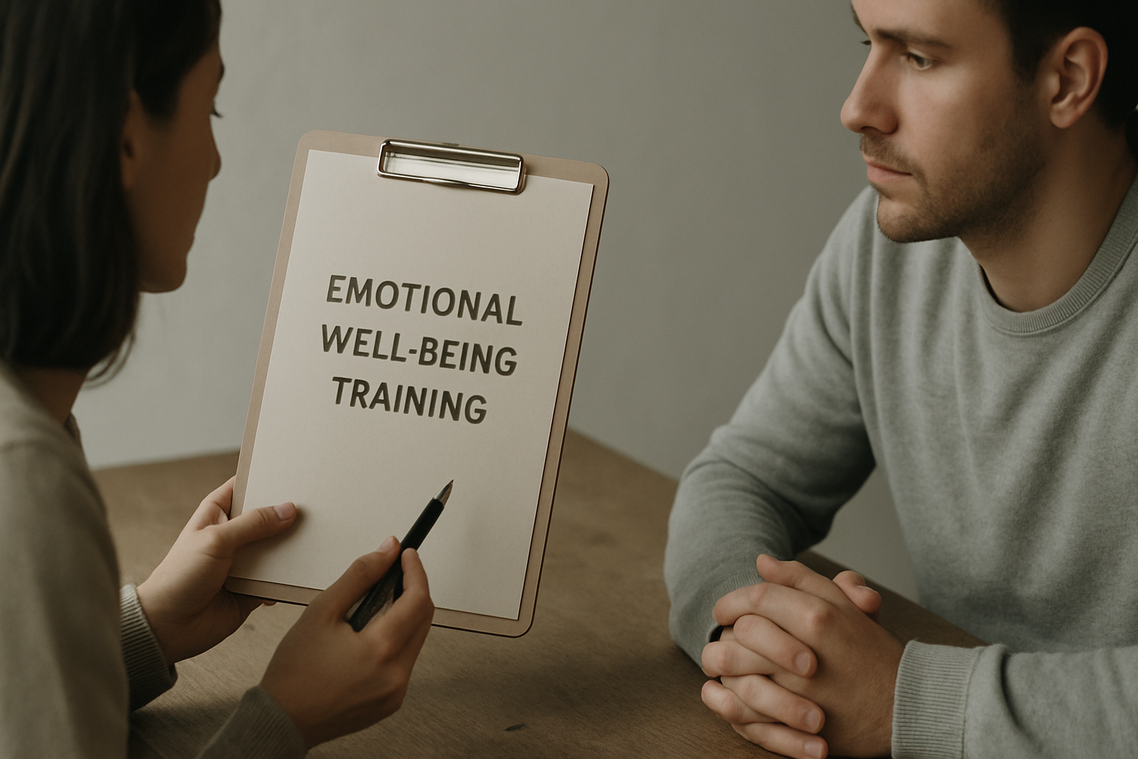
Pressure in tournaments is real—but it’s manageable with the right tools. Research published in Frontiers in Psychology (2016) shows that mental imagery enhances motor performance by activating similar neural pathways as physical practice. That’s where Performance Visualization comes in. This isn’t wishful thinking; it’s vividly rehearsing a clutch round, perfect aim, and calm comms before the match starts. Olympians and pro gamers alike use esports mental training techniques to simulate high-stakes scenarios so their brain treats them as familiar territory (think of it as running the script before opening night).
Constructive Self-Talk matters just as much. A 2014 study in The Sport Psychologist found instructional self-talk improves accuracy and focus. Replace “Don’t choke” with “Crosshair steady, smooth follow-through.” Process beats panic every time.
The final pillar? A Pre-Game Routine. Consistent warm-ups reduce cortisol levels and performance anxiety, according to the Journal of Sports Sciences (2018). Familiar actions signal control.
| Technique | Purpose | Proven Benefit |
|---|---|---|
| Visualization | Mental rehearsal |
Boosts confidence |
| Self-Talk | Focus control | Improves accuracy |
| Routine | Anxiety reduction | Stabilizes performance |
Build repetition. Build belief. Perform under pressure.
The VOD Review That Actually Improves Your Gameplay
First, stop watching your VOD like it’s a highlight reel—or worse, a cringe compilation. Instead, approach it with Emotionally Detached Analysis, meaning you review your gameplay as if you’re coaching a stranger. The goal isn’t to nitpick missed shots; it’s to question decisions. Why did you rotate late? Why force that fight? Mechanical errors happen. Poor decisions repeat.
However, don’t overwhelm yourself. Apply The ‘One Thing’ Rule: identify one major strategic or mental mistake per session and fix only that. Improvement compounds (think less Rocky montage, more steady XP grind).
In addition, track patterns with Journaling for Performance. Log wins, losses, focus level, tilt triggers, and which esports mental training techniques worked. Over time, trends emerge.
Some argue this is overkill. But structured reflection turns random grinding into targeted growth. And targeted growth wins games.
Integrating Mental Skill into Your Daily Practice
Mental skill is a trainable muscle, just like aim. If you’ve hit a performance plateau despite hours of mechanical practice, the missing piece is your mindset. So start small. First, attach esports mental training techniques to drills you already run. For example, pair a reset cue after every death or mistake. Then, add two minutes of pre-game breathing before queueing. Consistency beats intensity here. Pro tip: track your focus in a quick journal between matches. Now, choose one strategy and commit to using it in every game for the next week. No excuses. Treat it like aim training. Daily reps.
Level Up Your Competitive Edge Today
You came here to sharpen your edge and understand how to perform better when the pressure is on. Now you have the tools, insights, and strategies to turn inconsistent gameplay into controlled, confident execution.
The biggest frustration for competitive players isn’t a lack of skill — it’s cracking under pressure, losing focus mid-match, or failing to adapt fast enough. That’s where esports mental training techniques separate average players from true competitors. When your mindset is strong, your mechanics follow.
Here’s your move: start applying one or two of these strategies in your next practice session. Track your focus, review your decision-making, and build routines that reinforce consistency. Don’t just grind games — train with intention.
Players who commit to structured improvement see measurable gains in reaction time, decision clarity, and clutch performance. If you’re serious about climbing ranks and outperforming your competition, take action now. Study smarter, practice deliberately, and put these strategies to work in your next match.