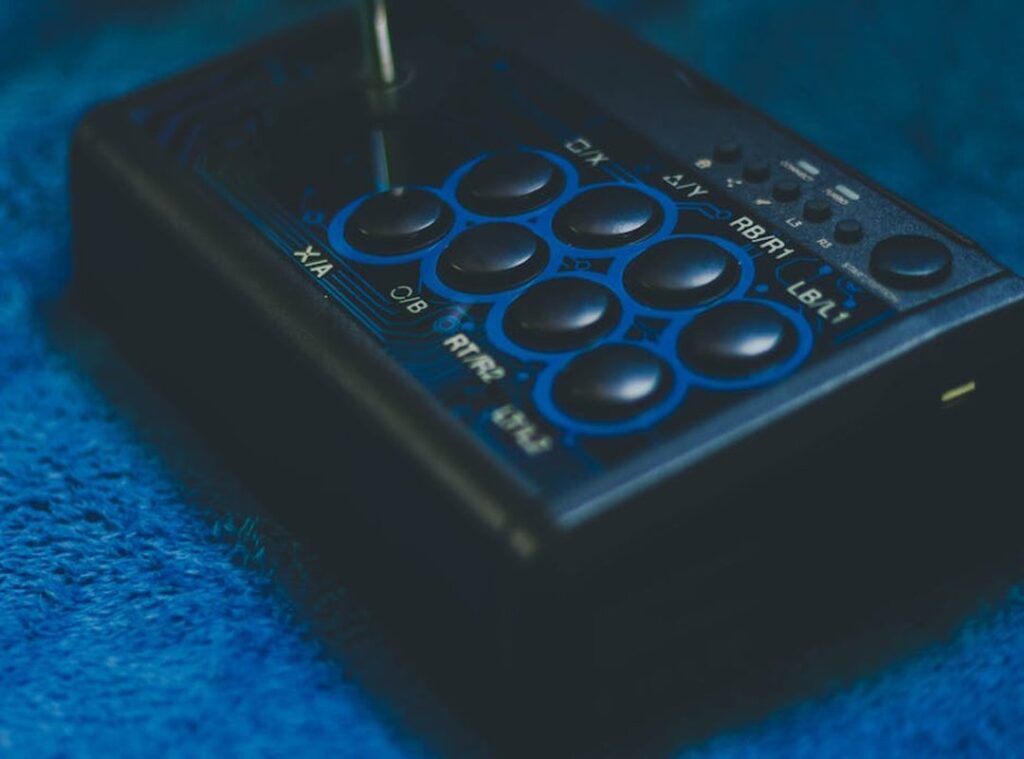
You’ve stared at the controller shelf for twenty minutes.
Or scrolled through Amazon until your eyes hurt.
Too many choices. Too much jargon. Too many reviews that say “great for everything” (which means it’s great for nothing).
I’ve tested over forty PC controllers. Not just plugged them in and played for five minutes. I used each one for weeks (FPS,) RPGs, platformers, racing games.
Some died fast. Some felt wrong in my hands. One even made my thumb cramp.
Lcfgamestick? Yeah, I tried that one too.
This guide cuts through the noise. No fluff. No hype.
Just what actually matters: comfort, compatibility, responsiveness, and whether it’ll last longer than your next game update.
You’ll know exactly which controller fits your games, your hands, and your budget.
No guesswork. Just clarity.
Asymmetrical or Symmetrical? Pick One and Stick With It
I held an Xbox controller in one hand and a PlayStation pad in the other (and) realized how weird it is that we just accept these as defaults.
Asymmetrical means the left stick sits lower than the right. Xbox style. The right stick floats higher, closer to the face buttons.
Symmetrical means both sticks sit at the same height. PlayStation style. D-pad and right stick feel equally reachable.
You’re probably already leaning one way. I was too (until) I tried Celeste on symmetrical and nearly threw my controller.
Asymmetrical works better for FPS and third-person shooters. Your left thumb moves, your right thumb aims and fires. That vertical split keeps your hands relaxed longer.
(Try playing Halo or Gears with symmetrical for five minutes. Your right wrist will complain.)
Symmetrical shines in platformers, twin-stick shooters, and fighting games. You’re constantly switching between D-pad inputs and right-stick camera tweaks (or) flicking both sticks at once like in Enter the Gungeon. That even height lets your thumbs move without repositioning.
Some people say “just adapt.” Nope. Muscle memory isn’t that forgiving.
You don’t need ten layouts. You need one that matches how you actually play (not) how the marketing team thinks you should.
The Lcfgamestick gives you both options out of the box. No soldering. No guesswork.
But here’s what most miss: this isn’t about comfort alone. It’s about reaction time. A half-inch difference changes how fast your thumb hits R1.
So ask yourself: do I press buttons while moving. Or do I move while pressing buttons?
That’s your answer.
Pick one.
Test it for three full sessions.
Then stop second-guessing.
Wired vs. Wireless: Lag Is Dead (Mostly)
I used to swear by wired controllers. Still do. Sometimes.
That old myth about wireless lag? It’s outdated. Modern 2.4GHz wireless is so fast that only pro fighting game players notice the difference.
And even then, it’s milliseconds (not) frames.
You’re probably wondering: Is my wireless controller actually holding me back?
No. Not unless you’re playing Street Fighter at Evo with a $20 off-brand dongle.
Wireless gives you freedom. You can pace. Lean back.
Sit on the floor. Your desk looks clean. No cable tangles under your chair (which, let’s be real, always happens).
But you trade that for battery anxiety. Recharge it or swap batteries mid-session? Annoying.
Also, wireless gear usually costs more. And yes. Interference can happen.
Microwaves, USB 3.0 hubs, Bluetooth speakers. All potential trouble.
Wired has zero latency. Zero setup. Plug it in and go.
No batteries. No dongles. No pairing screens.
Cable drag? Yes. Limited range?
Absolutely. But if you sit three feet from your PC or console, who cares?
For most people (casual) players, story-driven gamers, couch co-op crews (wireless) wins.
If you’re competitive or on a tight budget? Wired is simpler. Safer.
You can read more about this in Lcfgamestick Special Settings by Lyncconf.
Cheaper.
And if you’re testing controllers before buying? Try the Lcfgamestick. It’s a solid middle-ground option (wired) but modular.
I’ve seen too many people overthink this. Pick one. Stick with it.
Play.
Your hands don’t need philosophy. They need input.
Pro Features Explained: Hall Effect Sticks, Back Paddles
I’ve replaced three controllers in two years. All died from stick drift. Not from dropping them.
Not from sweat. Just wear.
That’s why Hall Effect sticks matter. They use magnets instead of physical contacts. No rubbing.
No grinding. No drift for years.
You feel it the first time you pick up a controller that stays centered after six months of daily play.
Back paddles? They’re not flashy. But they change how you play.
Map jump to a paddle. Map reload. Map crouch.
Your thumbs never leave the sticks. In Call of Duty, that’s the difference between spotting an enemy and getting shot before you react.
In Apex Legends, it means flicking to your grenade while moving (no) pause, no fumble.
Trigger stops are simpler. They cut travel distance on the triggers. Faster shots.
Less finger fatigue. You notice it in ranked matches where timing is everything.
Swappable parts? Yeah, they let you swap thumbsticks or face plates. But honestly (most) people buy them once and forget them.
So do you need all this?
Ask yourself: Do you play competitive shooters more than five hours a week?
Do you hate buying new controllers every year?
If yes, then the extra cost isn’t optional. It’s insurance.
The Lcfgamestick sits right in that sweet spot (premium) build, Hall Effect sticks, full paddle support, and clean firmware options.
Speaking of firmware: Lcfgamestick Special Settings by Lyncconf gives you granular control over response curves and polling rates. I use it to tighten aim sensitivity without losing precision.
Pro features aren’t about looking cool. They’re about lasting longer. And reacting faster.
And not cursing your gear mid-match.
I stopped replacing controllers.
Now I just tweak settings.
Controllers That Actually Fit Your Hands
I’ve tried twenty-three controllers. Most felt like holding a brick with buttons glued on.
The Competitive FPS Player? You need speed. Not flair.
I use a wireless controller with back paddles and an asymmetrical stick layout. It shaves milliseconds off every flick. And no, Bluetooth lag isn’t “fine” (it’s) a penalty you pay in ranked matches.
RPG & Adventure Enthusiast? You’ll be holding that thing for six hours straight. Comfort isn’t optional.
A wired Xbox controller works. So does a well-padded third-party option. Just avoid anything that digs into your palms (looking at you, ultra-compact models).
Fighting Game & Retro Fan? Your D-pad is your lifeline. If it clicks like a keyboard key and doesn’t wobble sideways, you’re golden.
Symmetrical layouts help muscle memory snap into place.
Lcfgamestick is fine if you’re tinkering. But skip it for serious play.
Controller Choice Isn’t Hard. It’s Just Misunderstood
I’ve picked controllers for years. I’ve bought the wrong one three times in one month.
You don’t need ten features. You need one layout that fits your hands. One connection that stays stable.
One button mapping that doesn’t make you curse.
Everything else is noise.
You already know what feels right. You just forgot you get to decide first (and) ignore the rest.
That’s why Lcfgamestick works. It cuts the fluff. No gimmicks.
Just clean input, reliable pairing, and a layout that doesn’t fight you.
Still scrolling through specs? Still comparing weight down to the gram?
What part of “just pick one and play” is holding you back?
Go try it.
You’ll know in five minutes if it’s yours.
Click now. Install. Play.