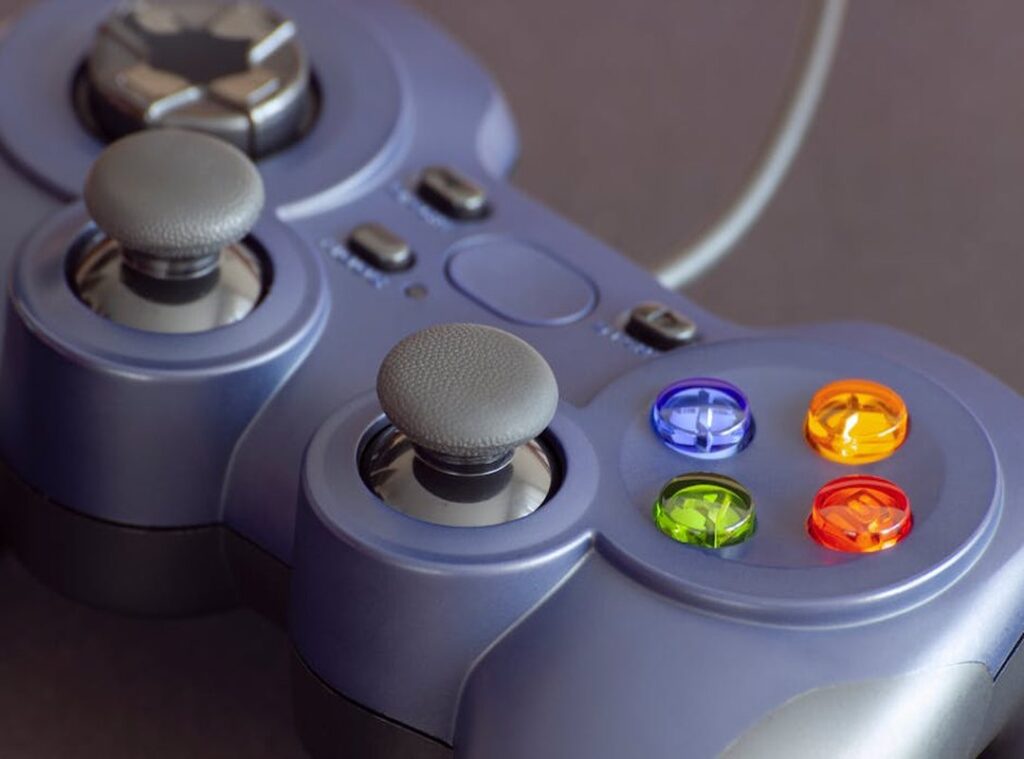
You opened the box and now you’re staring at the LCF Game Stick.
Wondering if this is going to turn into another afternoon of Googling error codes.
I’ve set up dozens of these. Every single one. Some worked right out of the box.
Some needed a nudge. Most people just want to play. Not debug.
How to Configure Lcfgamestick should not mean reading a 20-page manual.
It means plugging it in, turning it on, and picking a game.
This guide walks you through unboxing, hooking it up, launching your first title (and) fixing the three things that actually go wrong.
No fluff. No jargon. Just what works.
You’ll be playing in under ten minutes.
Or you’ll know exactly why you’re not.
What’s in the Box? Let’s Open It.
I unbox every Lcfgamestick myself. Every time. Because if something’s missing, you’ll waste thirty minutes trying to figure out why the controllers won’t pair.
Here’s what should be inside:
- The Game Stick (it’s) the main device. Plugs into your TV via HDMI. Runs the games.
That’s it. No extra layers. – Two Wireless Controllers (hold) them. Feel the weight.
They’re not cheap plastic. – A tiny USB Receiver (this) is the brain for your controllers. Plug it into the Game Stick before turning it on. (Yes, I’ve forgotten this.
Yes, it sucks.)
- An HDMI Extender. Gives you slack. Lets you tuck the stick behind the TV without yanking cables. – A Power Cable (micro-USB.) Not USB-C.
Don’t swap it with your phone charger unless you like slow boot times.
Check every item now. Seriously. Do it before you plug anything in.
Pro tip: Insert the AA batteries into the controllers first. Then turn them on. You’ll save yourself a panic when the light doesn’t blink.
The Lcfgamestick ships complete. If yours isn’t, contact support. Don’t try to configure it halfway.
How to Configure Lcfgamestick starts with knowing what you’ve got.
No guesswork. No magic. Just parts.
And power.
LCF Game Stick: Plug It In, Play It Now
I plug this thing in at least twice a week. Every time, someone asks me the same question.
Does the HDMI cable power it?
No. It does not.
That’s why step one is not plugging it into your TV. It’s plugging the USB wireless receiver into the Game Stick first.
Then you connect the micro-USB power cable to the Game Stick. Not optional. Not “later.” Right now.
You must use that cable. Your TV’s HDMI port gives zero power. None.
Zip. I’ve watched people stare at a black screen for ten minutes because they assumed HDMI did the job.
Next, plug the Game Stick directly into an HDMI port on your TV.
Tight space behind your TV? Use the included HDMI extender. It’s thin.
It works. Don’t force the stick in sideways.
Now plug the other end of that USB power cable (yes,) the same one. Into a USB port on your TV. Or better yet, use a wall adapter.
Why? Because TV USB ports often cut power when the TV goes to sleep. Or when you switch inputs.
Or when you sneeze.
A wall adapter fixes that. Every time.
Turn on your TV.
Switch the input to the HDMI port you used.
Wait five seconds. Then press any button on the controller.
If nothing happens? Check the USB power cable first. Always.
That’s how you actually get to play.
This isn’t theory. I’ve walked three friends through this in the last month. Two skipped the power cable.
One tried to run it off a laptop’s USB port (bad idea. Voltage drops).
How to Configure Lcfgamestick comes down to this: power first, HDMI second, no assumptions.
You don’t need settings. You don’t need apps. You don’t need Wi-Fi.
You need power. And the right port.
That’s it.
Plug it in.
Play.
First Boot: What You’ll Actually See (and Do)

The screen lights up. No splash animation. No logo loop.
Just a clean list of console names.
NES. SNES. Genesis.
Game Boy. Maybe a few others. That’s it.
No fluff. No loading bar that lies to you.
I remember staring at that screen the first time thinking: Is it broken? Did I miss something?
You didn’t. It’s working.
Use the D-pad to move up and down. Press A to select. Press B to go back.
Not escape, not cancel, back. Like stepping one door behind you.
Scroll past NES. Keep going. You’ll hit SNES.
Then Genesis. Each one opens into its own game list. Not a grid.
Not thumbnails. Just titles, alphabetized.
You can read more about this in How to Set up Lcfgamestick.
Want to launch Super Mario Bros.? Highlight NES. Press A.
Wait half a second. Scroll to Super Mario Bros.. Press A again.
It boots. Sound kicks in. You’re in.
Now here’s what no one tells you:
To get out of a game, you don’t press Home. You don’t hold Power. You press Select + Start at the same time.
Do it wrong once and you’ll soft-lock.
Do it right and you’re back at the console list in under a second.
This is why people think their device is glitchy. It’s not. They just missed the exit combo.
If you’re still stuck on setup. Like getting controllers mapped or Wi-Fi connected. this guide walks through it step-by-step.
Skip the trial-and-error.
How to Configure Lcfgamestick isn’t magic.
It’s just knowing which button does what (and) when.
The menu doesn’t explain itself.
So I’m telling you now: Select + Start is your lifeline.
Try it. Then try it again. Then launch another game.
You’ll forget you ever panicked.
Troubleshooting Lcfgamestick Setup
I’ve reset this thing more times than I care to admit.
“No Signal” on the TV? Check the HDMI input. Not the one you think it’s on (the) one your remote says it’s on.
And yes, that USB power cable needs to be plugged into a wall adapter. Not a laptop port. That one kills half the installs.
Controllers won’t pair? Swap the batteries. Even if they look fine.
Then yank the USB receiver and plug it back in (all) the way. Also: stand closer to the TV. Walls love blocking 2.4 GHz signals (blame your drywall, not the stick).
Black screen? Frozen? Unplug the USB cable.
Wait ten seconds. Count them. Then plug it back in.
Don’t hold the power button. Don’t restart the TV first. Just unplug and wait.
This isn’t magic. It’s electricity and timing.
If you’re still stuck, the Instructions for lcfgamestick walk through every step with screenshots (including) how to avoid these exact problems.
That page also covers How to Configure Lcfgamestick without guessing.
Pro tip: Write down which HDMI port you used. You’ll thank yourself later.
You’re All Set: Let the Games Begin!
I watched you set up the LCF Game Stick. No confusion. No second-guessing.
Just plug, power, play.
That messy How to Configure Lcfgamestick process? Gone. You skipped the headache.
You avoided the forums. You didn’t waste an hour on YouTube fixes.
Thousands of games are waiting. Right now. On your TV.
In your hands.
Remember that one game you played until your eyes burned? Yeah. That one.
Your childhood isn’t locked in a dusty box anymore. It’s loaded. It’s ready.
It’s yours.
So put this guide down. Pick that game. Press start.
And if it doesn’t work? Come back. I’ll fix it with you.
No jargon, no runaround.