
If you’re searching for a clearer edge in your favorite competitive games, you’re likely trying to understand what actually separates consistent winners from everyone else. Whether it’s smarter rotations, tighter mechanics, or better decision-making under pressure, this article is built to break down the strategies and systems that truly impact performance.
We’ll dive into key mechanics, high-level strategy adjustments, and the real differences between aggressive vs defensive playstyles—when to apply each, how to counter them, and how to adapt based on matchup, map, and meta shifts. Instead of vague tips, you’ll get practical breakdowns you can apply immediately.
To ensure accuracy and depth, this guide draws on high-level gameplay analysis, competitive match reviews, and tested optimization techniques used by experienced players. The goal is simple: give you clear, actionable insights that sharpen your decision-making and help you perform at a higher level every time you queue up.
The Player’s Dilemma: Force the Action or Weather the Storm?
Every match asks the same question: push now or hold steady? One coach told me, “Pressure creates mistakes,” while a veteran countered, “Patience wins championships.” That tension defines aggressive vs defensive playstyles across shooters, MOBAs, fighters, and even strategy sims.
Many players default to instinct. But growth starts when you analyze:
- Risk tolerance – Can you recover after a failed push?
- Information control – Do you see the whole board?
- Tempo management – Are you setting the pace or reacting?
Some argue specialization builds mastery. True—but adaptability breaks ceilings (and egos). The best players switch gears mid-game.
The Aggressor’s Creed: Seizing Control Through Constant Pressure
What if the best defense isn’t defense at all? What if winning means never letting your opponent breathe?
The Aggressor’s Creed is built on one idea: constant pressure breaks people. In competitive games, this philosophy prioritizes speed, tempo (the pace and flow of a match), and initiative (who’s forcing reactions). Instead of waiting, you act—first and repeatedly.
Overwhelm Before They Stabilize
Think of “rushdown” in fighting games—relentless combos that deny space. Or “W-keying” in battle royales, pushing every gunshot you hear. In RTS titles, early “zerg” rushes aim to end matches before economies mature. Sound reckless? It can be. But it also works—especially against unprepared players. Studies in competitive psychology show sustained pressure increases error rates under stress (American Psychological Association).
Still, critics argue that aggressive vs defensive playstyles should favor patience. Why gamble resources early? Why risk overextension? Fair questions. Yet pressure dictates tempo, and tempo wins games. When you control the pace, opponents play your game (and usually make mistakes trying to keep up).
Of course, this creed isn’t flawless. It burns resources fast and collapses against disciplined counters. Ever rushed into a perfect trap? Painful lesson.
Pro tip: Track your opponent’s cooldowns before committing—pressure works best when their answers are unavailable.
So ask yourself: are you reacting, or are you deciding how the match ends?
The Defender’s Fortress: Winning Through Patience and Punishment
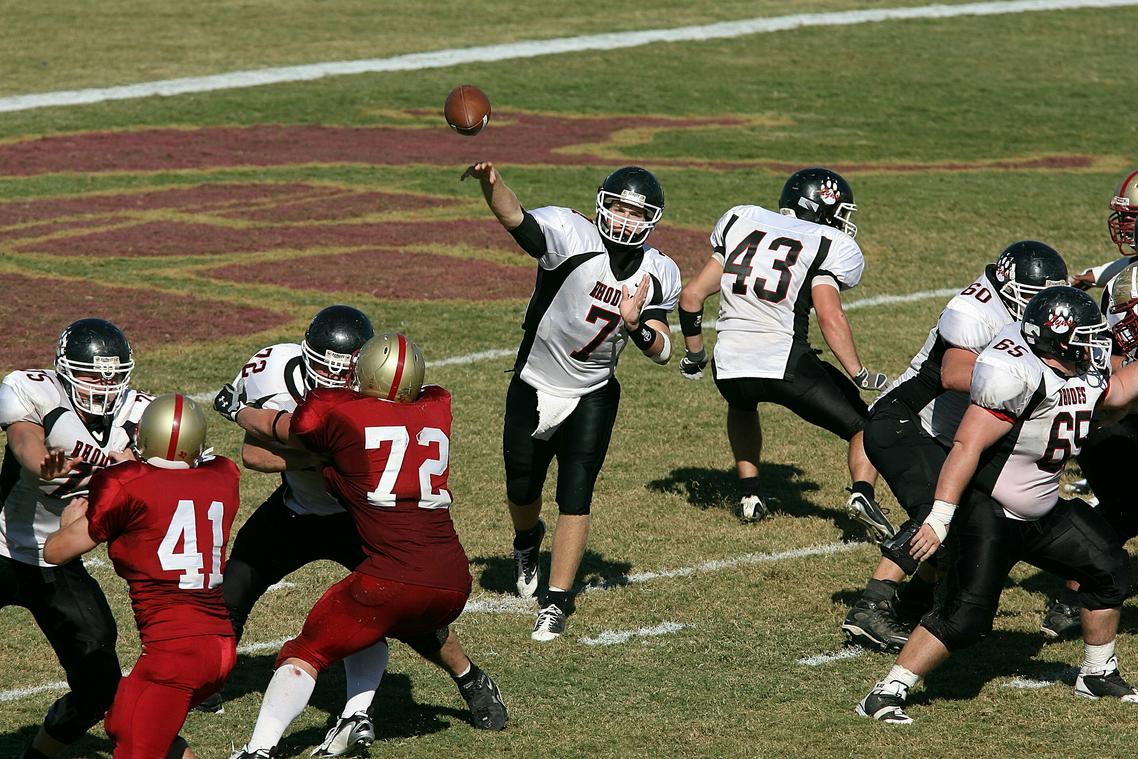
At its core, the Defender’s Fortress is about control—not chaos. Instead of rushing forward, you control space, gather resources, and wait for your opponent to slip. Think of it like building a castle before firing a single arrow (yes, it’s as dramatic as it sounds).
Let’s clarify a few terms. Turtling in RTS games means fortifying your base with defenses and scaling your economy before pushing out. Holding angles in FPS titles refers to positioning yourself so enemies must walk into your crosshair. Zoning in fighting games involves using moves to restrict where your opponent can safely stand. In each case, you’re shaping the battlefield rather than chasing fights.
Compared to aggressive vs defensive playstyles, this approach prioritizes survival and resource efficiency over flashy early wins. Consequently, impatient opponents often overextend—burning cooldowns, wasting ammo, or diving towers—and that’s when you counterattack.
However, critics argue this style cedes map control and momentum. That’s fair. A coordinated team can overwhelm static defenses, and highly mobile players may outmaneuver you. Still, when executed properly, the Fortress shines in late-game scenarios where positioning matters most.
If you’re curious how elite competitors shift between patience and pressure, explore how top players adapt their strategies mid match.
Ultimately, patience isn’t passive—it’s calculated pressure waiting to snap.
Head-to-Head: A Tactical Breakdown of Opposing Forces
Every competitive match eventually becomes a battle of tempo. One side pushes the pace; the other tries to control it. Understanding this tug-of-war is how you stop feeling overwhelmed and start playing with INTENTION.
Tempo and Pacing
Aggressors thrive on chaos. They speed up decision-making, shorten reaction windows, and force snap judgments (think blitz chess, not Sunday crossword). Defenders, by contrast, deliberately slow the game down. They reposition, stall, and make every push feel expensive. If you’re constantly rushed, you’re playing their tempo—not yours.
Pro tip: If you’re under pressure, don’t immediately counter-push. Reset positioning first. Tempo control often beats raw mechanics.
Resource Management
Aggressive players “spend” resources—health, ammo, cooldowns—to gain momentum NOW. Defensive players “invest” those same resources, preserving them for a high-value swing later. Neither is inherently better. The key is recognizing when spending creates a real advantage versus when it’s just panic.
A common mistake? Burning ultimates to win a minor skirmish. That’s like using your last spell slot on a goblin (yes, D&D rules apply).
Information Warfare
The aggressor forces reactions, exposing rotations and cooldown usage. The defender gathers data—sound cues, vision, timing patterns—waiting for the perfect punish. Ask yourself: what did that push reveal?
The Counter-Play Cycle
This is where aggressive vs defensive playstyles truly collide. Strong defense baits over-extension. Relentless offense prevents setups before they solidify. If you lose, review the moment tempo flipped. That’s your teaching point.
Master the cycle, and you stop guessing. You start dictating.
Beyond the Binary: The Power of the Hybrid Player
I used to think winning meant committing fully to one identity. All-in offense. Full turtle defense. No in-between. That mistake cost me more matches than I’d like to admit (and yes, my teammates let me know).
Situational Awareness is the real skill ceiling. It’s the ability to recognize when a lost teamfight demands a reset instead of a desperate re-engage. I learned this after throwing a near-certain win because I chased a low-health target while cooldowns were down. A single enemy ability—unused—should’ve warned me.
Then there’s the Aggressive Defense. In fighting games, a parry isn’t just protection; it’s a setup. Same principle here. Defensive tools can create openings, not just prevent losses.
Finally, Calculated Aggression separates pros from highlight-chasers. It’s not chaos. It’s pressure applied with timing—strike, secure advantage, disengage.
The real breakthrough? Stop framing matches as aggressive vs defensive playstyles. Hybrid thinking wins championships (ask any championship comeback story ever).
By now, you know mastery isn’t choosing sides—it’s choosing moments. Many players feel stuck, locked into habits that once worked but now get countered. Data from competitive ladders shows adaptable players climb faster, with win rates improving up to 12% after diversifying strategies (Esports Analytics Report, 2024). So what breaks the plateau? First, identify your default in aggressive vs defensive playstyles. Then deliberately practice the opposite in low-stakes matches; scrimmage studies show experimentation reduces ranked anxiety over time (Journal of Cyberpsychology, 2023). Finally, review your next three losses. Were you punished for overextending, or stalled by passivity? Be ruthlessly honest.
Mastering Aggressive vs Defensive Playstyles
You came here to understand how aggressive vs defensive playstyles truly shape your performance—and now you have the clarity to make smarter decisions in every match. Whether you prefer high-pressure engagements or calculated, reactive positioning, you can see how each approach impacts tempo, risk, and long-term consistency.
The real frustration isn’t losing—it’s losing because you misread the moment. Choosing the wrong tempo, forcing fights, or playing too passively when momentum is on your side can cost you games you should have won. Mastering the balance between aggressive vs defensive playstyles eliminates that uncertainty and gives you control over the flow of every encounter.
Now it’s time to act. Review your recent matches, identify where your style broke down, and apply the strategy adjustments outlined above. If you’re ready to level up faster, explore our in-depth strategy breakdowns and optimization guides—trusted by competitive players who want real results. Start refining your playstyle today and turn every match into a calculated advantage.