
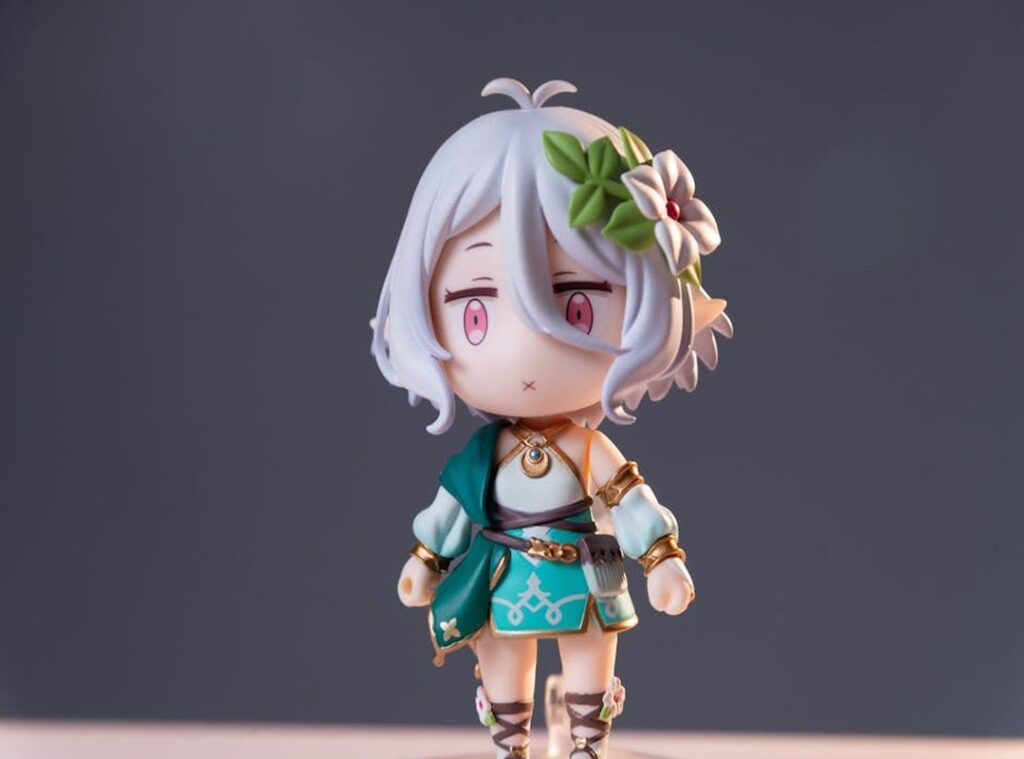
Drawing chibi kawaii characters can be a real challenge. You want them to be cute, expressive, and full of life. But getting the proportions right and nailing those dynamic poses?
That’s where things get tricky.
I’ve seen too many artists struggle with this. They end up with characters that look more like stick figures than the adorable little beings they’re supposed to be.
So, what if I told you there’s a way to make it easier? poses chibi kawaii bases de dibujo can be your secret weapon.
These references are like having a cheat code for your art. They help you get the right proportions, expressions, and even those tricky dynamic poses.
Trust me, I know what I’m talking about. I’ve been there, done that, and I’ve got the sketches to prove it.
Ready to level up your chibi kawaii game? Let’s dive in.
Understanding Chibi Kawaii Style
Chibi kawaii is all about the cuteness. Large heads, small bodies, and adorable expressions make this style instantly recognizable. It’s not just about looking cute; it’s about feeling a connection with the characters.
Proportions are key. Typically, chibi characters have heads that are one-third to half the size of their entire body. This exaggeration makes them look more endearing.
Facial features are simple yet expressive—big eyes, tiny noses, and small mouths. These elements create a sense of innocence and charm.
Body language in chibi kawaii is playful and exaggerated. Poses are often dynamic and full of energy, adding to the overall appeal. Think of those poses chibi kawaii bases de dibujo you see in art tutorials.
They’re designed to be easy to replicate and fun to draw.
The style has its roots in Japanese manga and anime. Over time, it evolved from simple sketches to a full-fledged art form. Today, chibi kawaii is popular in everything from stickers and toys to digital art and even fashion.
Understanding these elements can help you appreciate the artistry behind it. Plus, if you’re an artist, knowing the basics can help you create your own charming chibi kawaii characters.
Essential Tools and Materials
Let’s get down to the nitty-gritty. If you’re into traditional drawing, you’ll need some basic tools. Pencils, erasers, sketchbooks, and markers are your go-to.
For digital artists, it’s a bit different. You’ll want a good tablet and stylus. Software like Procreate or Clip Studio Paint can be game-changers.
Now, reference materials, and these are crucial. Where do you find them?
Well, there are plenty of free resources online. Websites like Pinterest and DeviantArt have a ton of stuff.
How do you use them, and simple. When you’re stuck on a pose or a facial expression, pull up a reference image.
It helps you get the details right.
Poses chibi kawaii bases de dibujo are great for beginners. They give you a solid foundation to build on.
Pro tip: Always keep a folder of your favorite references. It saves time and keeps your work consistent.
Basic Chibi Kawaii Proportions
So, you want to draw those adorable chibi kawaii characters, huh? Let’s break it down.
Head-to-Body Ratio: The typical 2:1 or 3:1 head-to-body ratio is key. Think of it like a bobblehead on a tiny body. It’s all about the big, round head and a small, cute body.
Facial Features: Placing the eyes, nose, and mouth is where the magic happens. Eyes are usually oversized and sparkly, noses are tiny dots, and mouths are simple lines. This gives them that cute and expressive look.
Body Structure: Simplify, simplify, simplify. The body should be basic and not too detailed. Think of it as a stick figure with a bit more flair.
Poses chibi kawaii bases de dibujo can help you get started. Just remember, less is more in this style. Keep it simple and let the cuteness shine through.
Creating Dynamic Poses
Drawing chibi characters in motion can be a blast. Action Poses like running, jumping, and dancing bring your characters to life.
But it’s not just about the action, and emotional Poses are key. Capturing different emotions through body language and facial expressions adds depth.
Ever tried to show a chibi character feeling surprised or sad? It’s all in the eyes and the tilt of the head.
Interaction Poses are another game-changer. Drawing chibi characters interacting with each other or objects makes your scenes more engaging.
Think about a chibi character high-fiving another or holding a cute little pet. It’s these small details that make your art stand out.
Using poses chibi kawaii bases de dibujo can be a great starting point. These templates give you a solid foundation to build on.
And if you’re into gaming, don’t forget to check out the network optimization guide for smoother online play. It might seem off-topic, but a smooth gaming experience can inspire some dynamic poses too!
Using Reference Poses Effectively
Finding the right references can be a game-changer. I recommend checking out online databases, books, and tutorials for chibi kawaii reference poses. These resources are gold.
Adapting References: How to modify and customize reference poses to fit your character’s style and personality. You don’t want to just copy what you see. Think about your character’s quirks and traits.
How can you make the pose unique to them?
Practicing with References: Consistent practice is key. Set aside time each day to work on different poses. Try to mix it up.
One day, focus on facial expressions; the next, body language. This keeps things fresh and helps you improve faster.
Use poses chibi kawaii bases de dibujo as a starting point. But remember, the real magic happens when you add your own twist.
Pro tip: Keep a sketchbook or digital folder of your favorite references. It’s a great way to stay organized and inspired.
Adding Details and Finishing Touches

Clothing and Accessories: Designing and adding outfits and accessories to enhance the character’s look. This can really bring out the personality of your chibi kawaii characters.
- Choose simple, bold designs that fit the character’s style.
- Add small details like buttons or patterns for extra flair.
Backgrounds and Scenes: Creating simple yet effective backgrounds to complement your poses chibi kawaii bases de dibujo.
Sometimes, a minimal background works best. It keeps the focus on your character without overwhelming them.
Coloring and Shading: Techniques for adding color and depth to your drawings. This is where things can get a bit tricky, but it’s also where you can really make your art pop.
- Use bright, contrasting colors to make your characters stand out.
- Experiment with different shading techniques to add dimension.
I’ll be honest, there’s no one-size-fits-all approach here. What works for one artist might not work for another. But by experimenting and finding what feels right for you, you can create something truly unique.
Perfecting Your Chibi Kawaii Drawings
poses chibi kawaii bases de dibujo are crucial for creating dynamic and expressive characters. They help in capturing the essence of movement and emotion, making your drawings more lively.
By following the steps and tips provided, you can master the art of chibi kawaii drawing. It’s all about practice and attention to detail.
Keep practicing and experimenting. This will help you develop your unique style and bring your chibi kawaii characters to life.
 Player Strategy & Content Specialist
There is a specific skill involved in explaining something clearly — one that is completely separate from actually knowing the subject. Dwaynes Clinestine has both. They has spent years working with game optimization tricks in a hands-on capacity, and an equal amount of time figuring out how to translate that experience into writing that people with different backgrounds can actually absorb and use.
Dwaynes tends to approach complex subjects — Game Optimization Tricks, Gaming Tactics and Techniques, Hot Topics in Gaming being good examples — by starting with what the reader already knows, then building outward from there rather than dropping them in the deep end. It sounds like a small thing. In practice it makes a significant difference in whether someone finishes the article or abandons it halfway through. They is also good at knowing when to stop — a surprisingly underrated skill. Some writers bury useful information under so many caveats and qualifications that the point disappears. Dwaynes knows where the point is and gets there without too many detours.
The practical effect of all this is that people who read Dwaynes's work tend to come away actually capable of doing something with it. Not just vaguely informed — actually capable. For a writer working in game optimization tricks, that is probably the best possible outcome, and it's the standard Dwaynes holds they's own work to.
Player Strategy & Content Specialist
There is a specific skill involved in explaining something clearly — one that is completely separate from actually knowing the subject. Dwaynes Clinestine has both. They has spent years working with game optimization tricks in a hands-on capacity, and an equal amount of time figuring out how to translate that experience into writing that people with different backgrounds can actually absorb and use.
Dwaynes tends to approach complex subjects — Game Optimization Tricks, Gaming Tactics and Techniques, Hot Topics in Gaming being good examples — by starting with what the reader already knows, then building outward from there rather than dropping them in the deep end. It sounds like a small thing. In practice it makes a significant difference in whether someone finishes the article or abandons it halfway through. They is also good at knowing when to stop — a surprisingly underrated skill. Some writers bury useful information under so many caveats and qualifications that the point disappears. Dwaynes knows where the point is and gets there without too many detours.
The practical effect of all this is that people who read Dwaynes's work tend to come away actually capable of doing something with it. Not just vaguely informed — actually capable. For a writer working in game optimization tricks, that is probably the best possible outcome, and it's the standard Dwaynes holds they's own work to.