
You open the box.
And instead of joy, you get confusion.
That tiny remote? The weird USB cable? The screen that just blinks and stops?
Yeah. I’ve seen it a hundred times.
Instructions for Lcfgamestick are usually buried under three layers of jargon or missing entirely.
I’ve tested over two dozen retro gaming sticks like this one.
I know which buttons actually do something (and which ones are just decoration).
I know where the firmware update hides (it’s not where the manual says).
This guide cuts all that noise.
You’ll go from box to Mario in under ten minutes.
No guessing.
No rebooting five times.
Just real steps. Real results.
You want to play. Not troubleshoot.
So let’s get you playing.
Unbox. Plug. Play.
I opened my Lcfgamestick box and immediately checked the list.
Game stick. Two controllers. USB power cable.
HDMI extender. Wireless dongle. That’s it.
If you’re missing one of those, don’t plug anything in yet (go) back to the seller.
Lcfgamestick ships clean. No bloat. No surprises.
Just hardware that expects you to pay attention.
Step one: Slide the wireless dongle into the stick’s USB port. Don’t force it. It fits snugly.
(Yes, I broke one by jamming it sideways. Learn from me.)
Step two: Plug the stick into your TV using the HDMI extender first. Why? Because most TV HDMI ports sit too tight.
The extender gives you room to breathe (and) stops you from yanking the stick every time you adjust the cable.
Step three: Power it. Use the wall adapter. Not your TV’s USB port.
TVs lie about power output. I’ve watched sticks reboot mid-game because someone trusted a TV port. Don’t be that person.
First boot takes 45 seconds. You’ll see a black screen, then a white logo, then a blue loading bar. That’s normal.
If it hangs past 90 seconds, unplug and try again.
Controllers usually pair automatically. If they don’t. Check the batteries.
Seriously. Pull them out. Flip them.
Put them back in. Then hold the sync button on the controller and the dongle for five seconds. You’ll feel a vibration.
That’s the sound of sanity returning.
The manual says “wait for LED blink.” I say: if it blinks once, stop holding. If it blinks twice, you’re good. If it doesn’t blink at all.
Swap batteries. Alkaline only. No rechargeables unless they’re fully charged.
Instructions for Lcfgamestick aren’t complicated. They’re just unforgiving.
Skip a step and you’ll spend 20 minutes troubleshooting what should’ve taken 90 seconds.
Do it right the first time. Your future self will thank you.
Menu Navigation: Launch Your First Game in Under 10 Seconds
I open the Lcfgamestick and stare at that clean grid. No clutter. No ads.
Just rows of console logos (NES,) SNES, Genesis, N64 (each) one a door.
You’ll see them stacked by era or hardware. Not alphabetically. Not by popularity.
By what works. (That’s why Genesis sits right next to SNES instead of buried under “G.”)
Use the D-pad to move. Not the analog stick. Unless you remapped it.
The D-pad is precise. The stick drifts. I’ve lost count of how many times I scrolled past Mario 64 because my thumb slipped.
Press A or X to select. That’s it. No confirmation popups.
No double-tap nonsense.
Press B or O to go back. Always. Even mid-animation.
Try it now. You’ll feel the relief.
Start button opens the main menu. Select button? It does nothing in the grid.
Until you’re inside a game. Then it’s your escape hatch. Hold it for three seconds and you’re out.
Every time.
I covered this topic over in How to Configure Lcfgamestick.
Let’s launch Super Mario Bros. Go to NES. Highlight it.
Press A. Now scroll down to Super Mario Bros. (not the All-Stars version. That’s separate).
Press A again.
It boots in under two seconds. No splash screen. No “loading” text.
Just the title screen.
Some people think the Start button starts games. It doesn’t. Not here.
That’s a trap. (Nintendo did it first. We just copied the muscle memory.)
The Instructions for Lcfgamestick assume you want speed (not) ceremony.
Pro tip: Long-press Select on any game tile to see its file path and emulator info. Useful when something won’t load.
You don’t need to memorize anything. Just remember:
D-pad moves. A selects.
B backs out. Start opens menus. Select exits games.
That’s all you need.
Everything else is noise.
How to Actually Quit a Game (Without Losing Everything)
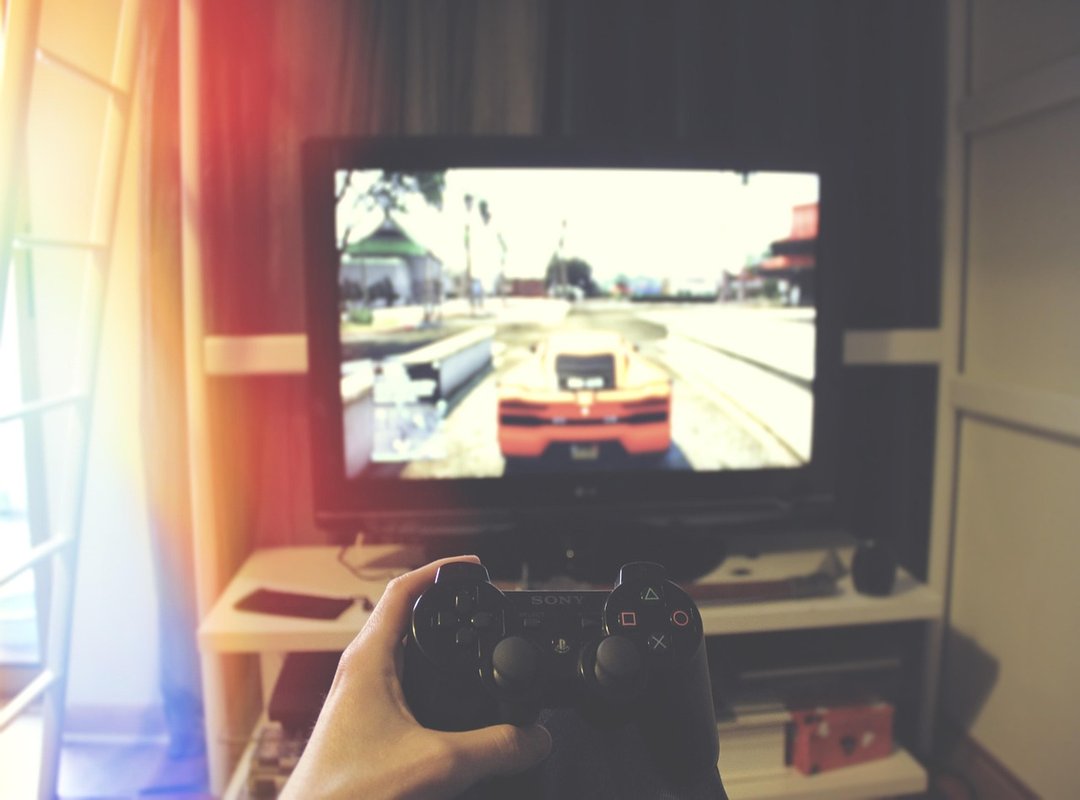
I’ve rage-quit more games than I care to admit. Most of them? Because I couldn’t figure out how to exit cleanly.
Press Select + Start at the same time. That’s it. No menu.
No confirmation. Just out. (Yes, it feels weird the first time.
Yes, it works.)
That combo dumps you straight to the main menu (not) the home screen, not a crash, not a reboot. You stay in the Lcfgamestick environment. Your session stays warm.
If you don’t use it, you’ll probably force-close and lose unsaved progress. Don’t do that.
Now (save) states. They’re not the same as in-game saves. In-game saves only work where the developer lets you.
Save states work anywhere. Any frame. Any boss fight.
Even mid-jump.
To make one: hold R + Select. A tiny counter flashes. Done.
To load it back: hold L + Select.
Use multiple slots. I keep Slot 1 for right before boss fights. Slot 2 for right after. it 3 for “I’m going to bed.”
Overwriting Slot 1 with Slot 2 is how you erase your best run.
The How to Configure Lcfgamestick page shows how to rename and organize those slots. Do it. You’ll thank yourself later.
Instructions for Lcfgamestick assume you know this stuff already. They don’t. So now you do.
Lcfgamestick Won’t Cooperate? Let’s Fix It.
Controller lag is the most common headache. I’ve watched people stand six feet from the TV, waving the stick like a wand. Move closer.
Check the batteries. Make sure the dongle isn’t buried behind the console or under a blanket. (Yes, someone did that.)
No signal on the TV? First thing: yank and reseat the HDMI cable. Then check the power.
That little USB cable isn’t just for show (if) it’s plugged into a weak port or a dying wall adapter, the stick chokes.
A game won’t load? Try another one. If it works, the issue isn’t your stick (it’s) the ROM.
Not all dumps are clean. Some have bad headers. Some are just broken.
this article can help bypass certain compatibility traps. But don’t dive in blindly.
You need real Instructions for Lcfgamestick. Not guesswork. This guide covers the basics, but if you’re hitting weird freezes or audio dropouts, read more about deeper settings.
I skip the “restart your device” script. You already did that. Let’s fix what’s actually broken.
Your Retro Adventure Starts Now
I’ve shown you how simple the Instructions for Lcfgamestick really are.
No more staring at the screen wondering what to do next. No more panic when a game freezes.
You know how to save. You know how to exit. That’s all you need to start.
Most people get stuck on those two things (and) never touch another classic.
You’re past that.
So what’s stopping you?
Grab a controller. Pick any game. Press start.
Right now.
Your turn.
 Lead Game Analyst
Ask Manuelanismo Miles how they got into game optimization tricks and you'll probably get a longer answer than you expected. The short version: Manuelanismo started doing it, got genuinely hooked, and at some point realized they had accumulated enough hard-won knowledge that it would be a waste not to share it. So they started writing.
What makes Manuelanismo worth reading is that they skips the obvious stuff. Nobody needs another surface-level take on Game Optimization Tricks, Gaming Tactics and Techniques, Hot Topics in Gaming. What readers actually want is the nuance — the part that only becomes clear after you've made a few mistakes and figured out why. That's the territory Manuelanismo operates in. The writing is direct, occasionally blunt, and always built around what's actually true rather than what sounds good in an article. They has little patience for filler, which means they's pieces tend to be denser with real information than the average post on the same subject.
Manuelanismo doesn't write to impress anyone. They writes because they has things to say that they genuinely thinks people should hear. That motivation — basic as it sounds — produces something noticeably different from content written for clicks or word count. Readers pick up on it. The comments on Manuelanismo's work tend to reflect that.
Lead Game Analyst
Ask Manuelanismo Miles how they got into game optimization tricks and you'll probably get a longer answer than you expected. The short version: Manuelanismo started doing it, got genuinely hooked, and at some point realized they had accumulated enough hard-won knowledge that it would be a waste not to share it. So they started writing.
What makes Manuelanismo worth reading is that they skips the obvious stuff. Nobody needs another surface-level take on Game Optimization Tricks, Gaming Tactics and Techniques, Hot Topics in Gaming. What readers actually want is the nuance — the part that only becomes clear after you've made a few mistakes and figured out why. That's the territory Manuelanismo operates in. The writing is direct, occasionally blunt, and always built around what's actually true rather than what sounds good in an article. They has little patience for filler, which means they's pieces tend to be denser with real information than the average post on the same subject.
Manuelanismo doesn't write to impress anyone. They writes because they has things to say that they genuinely thinks people should hear. That motivation — basic as it sounds — produces something noticeably different from content written for clicks or word count. Readers pick up on it. The comments on Manuelanismo's work tend to reflect that.